




The Art And Science Of Landscaping: Enhancing Outdoor Spaces
WHOKandace650353814Landscaping is both an art and a science dedicated to modifying the visible features of an area of land, encompassing living elements like flora and fauna, as well as human-made features such as structures and water systems. Its primary aim is to create a harmonious, aesthetically pleasing outdoor environment that is also functional for human activities.
Understanding the Basics of Landscaping
At its core, landscaping involves the planning, designing, and managing of open spaces to achieve environmental, socio-behavioral, and aesthetic outcomes. It can cover a broad range of applications, including residential gardens, public parks, and commercial properties.
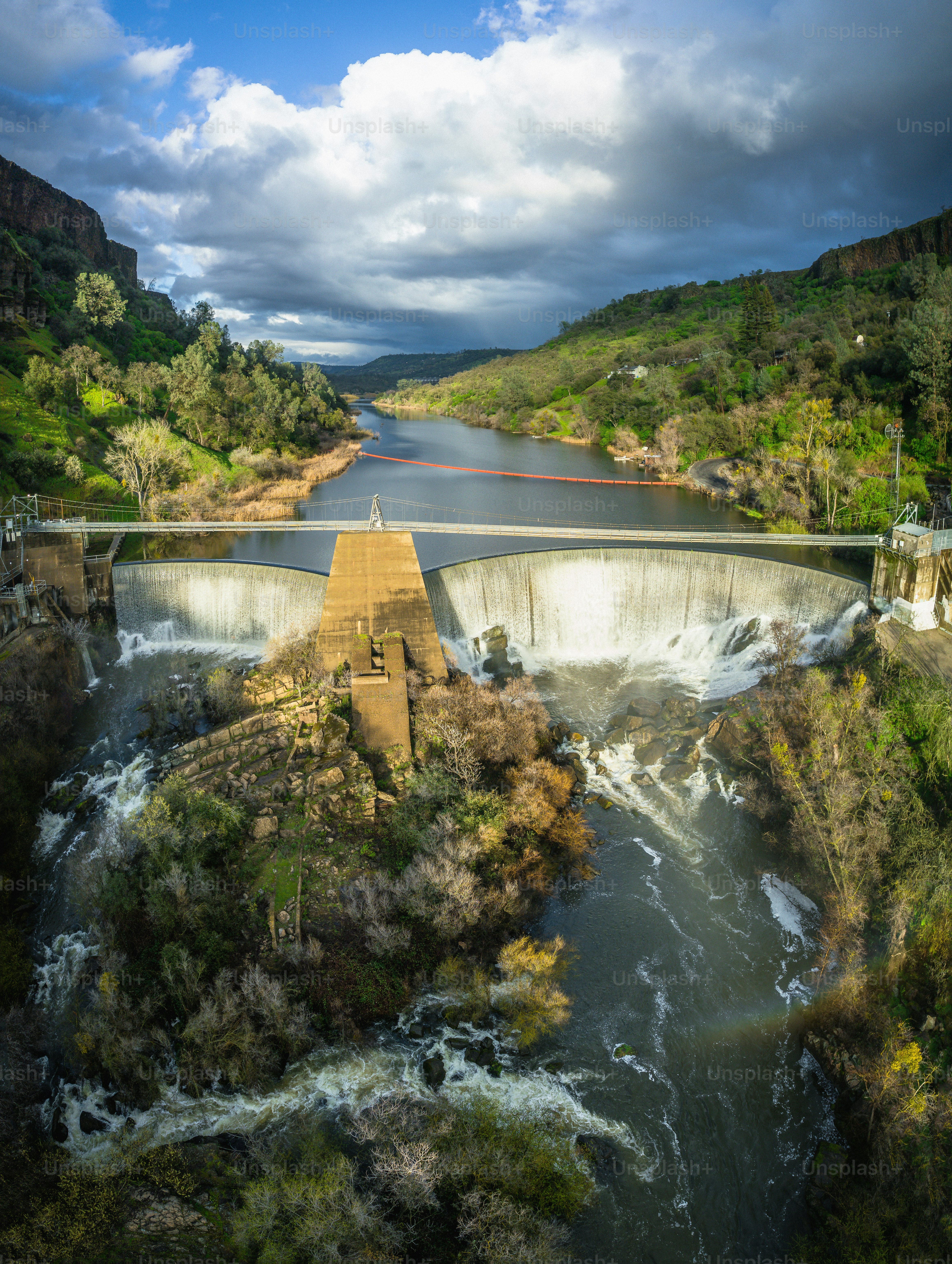
1. Design Principles
The foundation of any successful landscaping project lies in understanding and applying key design principles which include unity, balance, proportion, variety, and simplicity.
- Unity is achieved when all the components of the landscape work together to create a cohesive whole.
- Balance refers to the sense of equilibrium in a landscape, which can be symmetrical (mirror image balance) or asymmetrical.
- Proportion ensures that the size of the elements within the landscape corresponds harmoniously to each other.
- Variety adds interest through diversity, while simplicity avoids unnecessary complexity to maintain clarity.
2. Site Analysis
Before any actual design work begins, a thorough site analysis is essential. This includes understanding the soil type, climate, topography, and existing vegetation. Additionally, assessing the needs and wants of the people using the space is crucial. This step ensures that the landscape design will be sustainable and suitable for its intended use.
Components of Landscaping
1. Softscape
The "softscape" refers to the live horticultural elements of a landscape. This includes trees, shrubs, flowers, grass, and other plants. Choosing the right plants not only depends on the aesthetics but also on their functionality within the landscape, such as providing shade, producing fruit, or creating privacy.
- Plant Selection: Consider native plants as they are more adapted to the local climate and require less water and maintenance.
- Seasonal Changes: Plan for how the appearance of the landscape will change with the seasons, ensuring year-round appeal.
2. Hardscape
"Hardscape" refers to the non-living elements of landscaping. This includes paths, walls, rocks, patios, decks, and other structures. These elements help define the use of space and can enhance the functionality and accessibility of the landscape.
- Materials: Choose materials that complement the home and the environment. Natural materials like stone and wood can help integrate the landscape with the surrounding nature.
3. Water Features and Irrigation
Water features like fountains, ponds, and waterfalls add visual and auditory beauty to the landscape. They can also attract wildlife such as birds and butterflies. An efficient irrigation system is crucial for maintaining a healthy landscape, especially in areas with limited rainfall.
- Sustainability: Consider incorporating rainwater harvesting systems to use for irrigation. Drip irrigation systems can be more water-efficient than traditional sprinklers.
Landscaping for Environmental Benefits
Landscaping isn’t just about aesthetics; it also offers significant environmental benefits. Properly designed landscapes can reduce soil erosion, improve air and water quality, and provide habitat for wildlife.
- Xeriscaping: This type of landscaping minimizes water use by utilizing drought-resistant plants and mulching materials.
- Green Roofs and Walls: These structures can reduce the heat island effect, improve air quality, and provide additional insulation.
Practical Tips for DIY Landscapers
For those looking to undertake a landscaping project on their own, click here are some practical tips:
- Start Small: Begin with a manageable area and expand as you gain confidence and experience.
- Focus on Scale and Pacing: It’s easy to underestimate the size of plants when they mature. Be mindful of the ultimate growth size and how quickly the plants will reach that size.
- Use a Focal Point: Every garden needs a focal point, whether it’s a stunning plant, a sculpture, or a water feature.
Conclusion
Landscaping is a dynamic field that blends creativity with ecological science. By understanding the fundamental principles and components of landscape design, even amateur gardeners can transform their outdoor spaces into beautiful, functional, and sustainable environments. Whether it’s a small home garden or a large public park, effective landscaping can enhance both the beauty and the utility of the space.