




글 수 10,406
How This New College Graduate Changed Opinions On Taxi And Airport Transfer Services
JaimieStella530966Navigating the energetic avenues of Bangkok and the bustling avenues of Pattaya is an adventure in itself. For many visitors, local taxis provide the quickest and straightforward option to travel. Understanding the details of using and using these taxis in each city can change a possibly stressful experience into a simple element of your journey. While both cities offer cabs with meters, the similarities usually go no further, with distinct practices, challenges, and informal guidelines governing their use. Being prepared is the essential for a successful ride.
In Bangkok, the well-known brilliant pink, yellow, green, or orange taxis are a commonplace view. The cardinal rule is to always request that the driver using the meter. Simply ask, "Meter, please?" as you get in. A driver who will use the meter is the foundation of a fair fare. It is common, especially near popular hotels or popular landmarks, for drivers to reject metered fares and instead offer a flat, inflated rate. In this situation, your smartest action is to politely decline, step out, and simply hail the next cab. With the large number of taxis in Bangkok, you will normally locate a compliant driver within a few attempts.
Beyond the meter, traffic is the primary element for any Bangkok taxi journey. The capital's well-known jams can cause fares to increase rapidly as the meter ticks. What appears to be a quick distance on a map can take a long while. Using a map application like Google Maps to check the current congestion can help you decide if a taxi bkk pattaya is the smartest move or if the BTS Skytrain or MRT subway might be faster. For longer trips, such as to airports or between distant neighborhoods, the expressway tolls are an extra charge paid by the passenger on top of the meter fare, so keep some change ready.
Pattaya presents a unique cab environment entirely. The city famously lacks a widespread network of regular taxis with meters for general street hailing. Instead, the primary form of public transport is the "baht bus" or "songthaew." These are converted pickup trucks with bench seats in the back that follow specific loops. For a shared ride along the main routes, you simply get on and hand over a standard fare per person when you get off. To use one as a private taxi, you must negotiate a price for an exclusive trip beforehand, which will be a lot greater than the shared rate.
For chauffeured cars in Pattaya, you typically cannot flag one down on the street. These vehicles operate almost exclusively through hotel concierges, dedicated taxi stands, or pre-booking via phone or app. Fares are generally agreed upon as a flat rate before the journey begins. Knowing the rough going rate for your intended trip is key to dodging overpaying. A short trip across central Pattaya might have a usual fare, while a journey to the outskirts or to Jomtien will cost more. Asking your hotel staff for standard fare advice is a very smart practice.
In both cities, a few broad advice is relevant. First, having your destination noted in the local language on your phone or on a piece of paper is very beneficial. This eliminates language barriers and shows the driver the specific location. Second, try to carry plenty of little bills. Drivers frequently say they lack change for large bills, which can be a ploy to obtain a larger tip. Third, while most drivers are honest, always be conscious of your environment and trust your instincts. If a situation feels wrong, it is completely okay to end the ride.
Modern technology has also become a traveler's best friend in Thailand. Ride-hailing apps like Grab operate in both Bangkok and Pattaya. Using Grab offers several advantages: the fare is fixed and paid electronically, the route is tracked via GPS, and there is no requirement for money or language negotiation. It provides a familiar and often less stressful alternative, especially for newcomers or during late-night travels. In Bangkok, it easily complements regular taxis, while in Pattaya, it is often the surest means to book a private car.
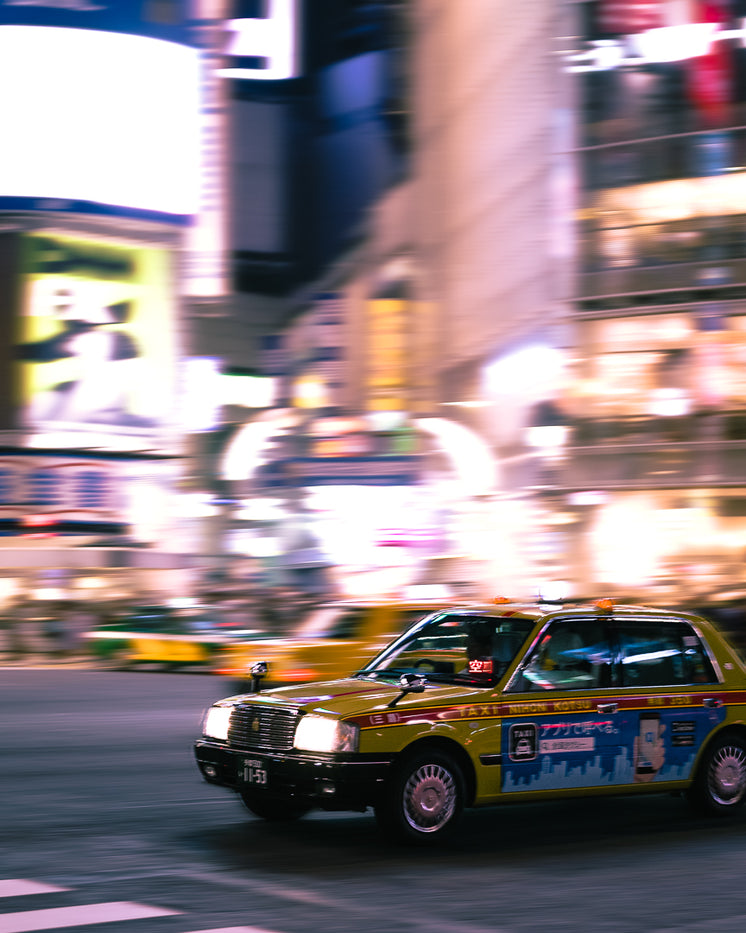 Ultimately, using taxis in Bangkok and Pattaya requires a willingness to adjust. In Bangkok, your mantra is "meter only," paired with patience for the traffic. In Pattaya, it's about grasping the local transport and being prepared to agree on lump sums for private cars. Embracing these differences is part of the local experience. With a little knowledge and preparation, you can confidently use these services to explore every corner of these vibrant urban centers, from Bangkok's glittering temples to Pattaya's vibrant waterfront, ensuring you spend more time enjoying about the ride and more time enjoying the destination.
In Bangkok, the well-known brilliant pink, yellow, green, or orange taxis are a commonplace view. The cardinal rule is to always request that the driver using the meter. Simply ask, "Meter, please?" as you get in. A driver who will use the meter is the foundation of a fair fare. It is common, especially near popular hotels or popular landmarks, for drivers to reject metered fares and instead offer a flat, inflated rate. In this situation, your smartest action is to politely decline, step out, and simply hail the next cab. With the large number of taxis in Bangkok, you will normally locate a compliant driver within a few attempts.
Beyond the meter, traffic is the primary element for any Bangkok taxi journey. The capital's well-known jams can cause fares to increase rapidly as the meter ticks. What appears to be a quick distance on a map can take a long while. Using a map application like Google Maps to check the current congestion can help you decide if a taxi bkk pattaya is the smartest move or if the BTS Skytrain or MRT subway might be faster. For longer trips, such as to airports or between distant neighborhoods, the expressway tolls are an extra charge paid by the passenger on top of the meter fare, so keep some change ready.
Pattaya presents a unique cab environment entirely. The city famously lacks a widespread network of regular taxis with meters for general street hailing. Instead, the primary form of public transport is the "baht bus" or "songthaew." These are converted pickup trucks with bench seats in the back that follow specific loops. For a shared ride along the main routes, you simply get on and hand over a standard fare per person when you get off. To use one as a private taxi, you must negotiate a price for an exclusive trip beforehand, which will be a lot greater than the shared rate.
For chauffeured cars in Pattaya, you typically cannot flag one down on the street. These vehicles operate almost exclusively through hotel concierges, dedicated taxi stands, or pre-booking via phone or app. Fares are generally agreed upon as a flat rate before the journey begins. Knowing the rough going rate for your intended trip is key to dodging overpaying. A short trip across central Pattaya might have a usual fare, while a journey to the outskirts or to Jomtien will cost more. Asking your hotel staff for standard fare advice is a very smart practice.
In both cities, a few broad advice is relevant. First, having your destination noted in the local language on your phone or on a piece of paper is very beneficial. This eliminates language barriers and shows the driver the specific location. Second, try to carry plenty of little bills. Drivers frequently say they lack change for large bills, which can be a ploy to obtain a larger tip. Third, while most drivers are honest, always be conscious of your environment and trust your instincts. If a situation feels wrong, it is completely okay to end the ride.
Modern technology has also become a traveler's best friend in Thailand. Ride-hailing apps like Grab operate in both Bangkok and Pattaya. Using Grab offers several advantages: the fare is fixed and paid electronically, the route is tracked via GPS, and there is no requirement for money or language negotiation. It provides a familiar and often less stressful alternative, especially for newcomers or during late-night travels. In Bangkok, it easily complements regular taxis, while in Pattaya, it is often the surest means to book a private car.
Ultimately, using taxis in Bangkok and Pattaya requires a willingness to adjust. In Bangkok, your mantra is "meter only," paired with patience for the traffic. In Pattaya, it's about grasping the local transport and being prepared to agree on lump sums for private cars. Embracing these differences is part of the local experience. With a little knowledge and preparation, you can confidently use these services to explore every corner of these vibrant urban centers, from Bangkok's glittering temples to Pattaya's vibrant waterfront, ensuring you spend more time enjoying about the ride and more time enjoying the destination.